
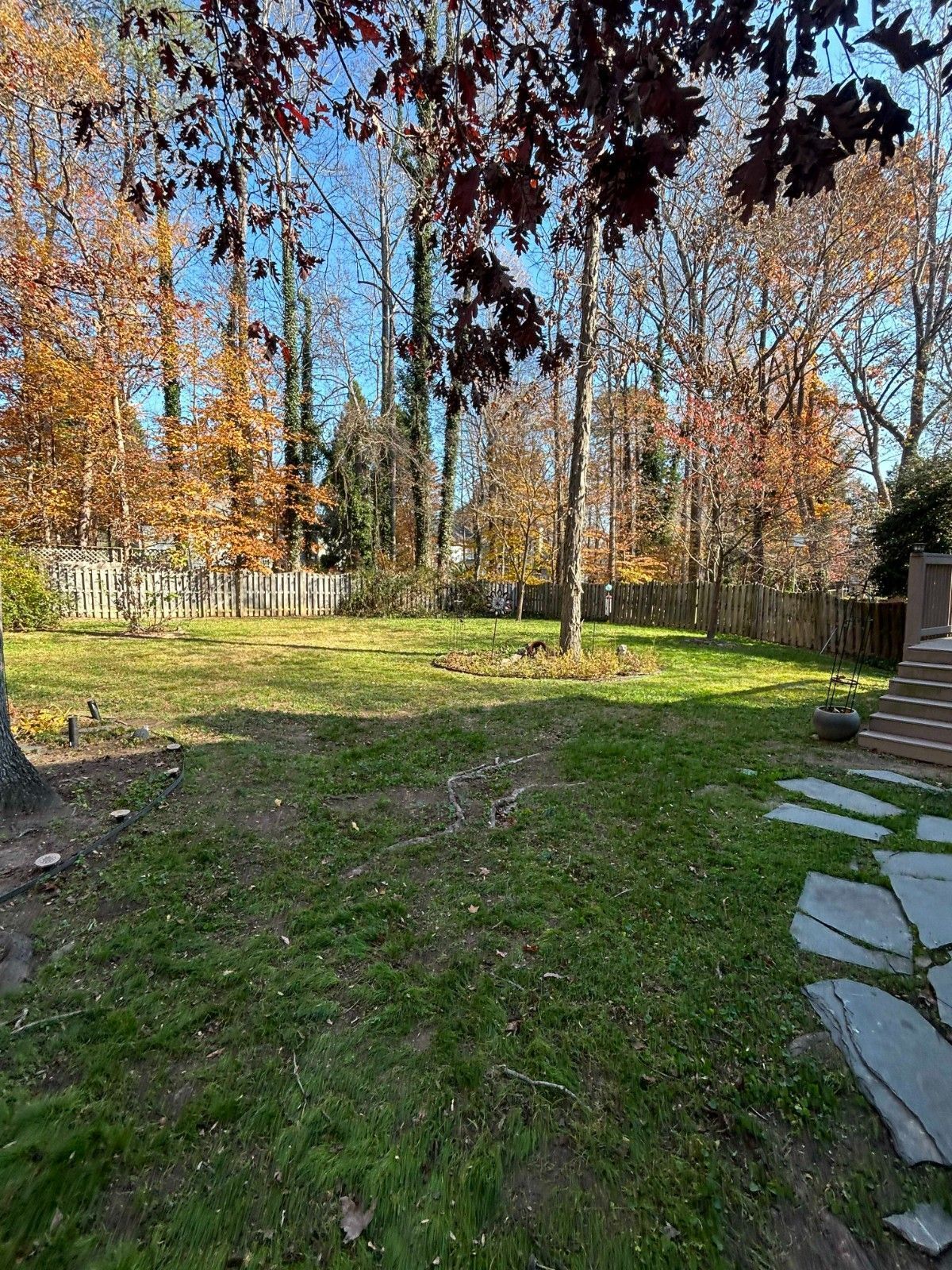
Surfaces Cleared Before Grass Suffocates Underneath
Leaf Cleanup in Oak Ridge for lawns buried under fall foliage, blocked drainage systems, and properties preparing for winter
Thick leaf layers block sunlight and trap moisture against grass, creating conditions where fungal disease spreads and turf dies back in large patches by spring. Pointer Landscape Solutions removes fallen leaves from properties in Oak Ridge before accumulation reaches the point where lawns suffocate and drainage systems clog with decomposing organic matter. Cleanup scheduled during peak leaf drop in late October through November prevents the mat of wet leaves that forms after the first heavy rain, which smothers grass and takes weeks to dry enough for removal.
The removal process includes blowing leaves from planting beds, walkways, and turf areas into collection zones where they're gathered and hauled off-site. Gutters and downspouts are checked for blockages that would cause overflow during winter rains. Properties with large deciduous trees often require multiple visits throughout the season as different species drop leaves on varying schedules, with oaks typically holding foliage into December while maples finish by mid-November.
Schedule leaf removal before the season's first freeze to prevent matted layers from forming overnight when moisture turns to ice.
How Leaf Removal Addresses Lawn Damage
Leaves left in place for more than two weeks create an anaerobic layer where oxygen cannot reach the soil surface, causing grass roots to weaken and die. The decomposition process generates heat and moisture that encourage snow mold and other fungal pathogens to spread across the lawn during winter. Removing leaves restores airflow to the turf and eliminates the damp environment where disease thrives.
After cleanup, sunlight reaches the grass again and turf resumes photosynthesis during warm fall days, building energy reserves before dormancy. Lawns that were yellowing under leaf cover regain green color within a week once exposure is restored. Drainage improves immediately as gutters, storm drains, and surface grading function without obstruction, so winter rains flow away from foundations rather than pooling against structures.
Cleanup also removes sticks, seed pods, and other debris that accumulate alongside leaves, leaving properties ready for winter without fire hazards or pest habitat near the home. Properties that schedule seasonal leaf removal consistently maintain healthier spring green-up because the turf enters dormancy without stress or disease pressure from months under decaying foliage.
Clients often ask about timing and what the service includes beyond basic leaf removal.
Answers to Frequent Service Questions
What happens if leaves stay on the lawn all winter?
The grass beneath dies from lack of light and oxygen, creating large dead zones that require reseeding or sodding in spring once the damage becomes visible after thaw.
How many cleanup visits are needed during fall?
Properties with heavy tree coverage typically require two to three visits as leaves drop in waves, while lighter canopy areas manage with a single late-season removal.
Why can't leaves just be mulched into the lawn with a mower?
Mulching works only for light, dry leaf cover; thick or wet layers clump and smother grass even when shredded, and the volume overwhelms the soil's ability to decompose the material before spring.
What time of year should leaf cleanup be scheduled in Oak Ridge?
The primary window runs from late October through early December depending on tree species, with most properties needing service during the first two weeks of November when leaf drop peaks.
Does leaf cleanup include gutter clearing?
The service focuses on ground-level removal, but downspouts and accessible gutter areas are checked for blockages that would interfere with drainage away from the property.
Pointer Landscape Solutions schedules fall leaf cleanup to match your property's tree coverage and seasonal drop patterns. Request service early in the season to secure preferred scheduling before demand peaks in November.