
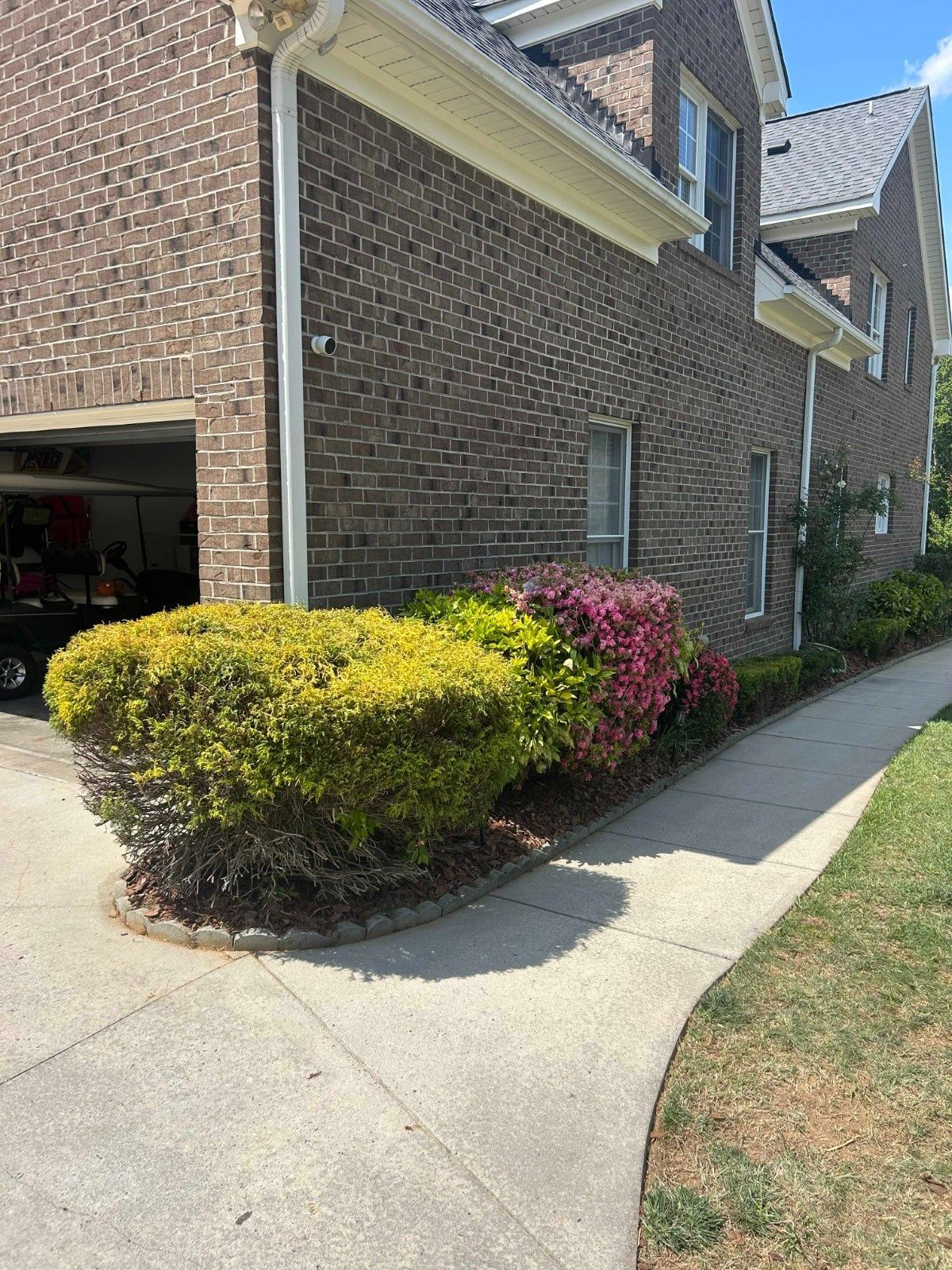
Shrubs That Frame Your Property Correctly
Bush Trimming in Greensboro for landscapes where overgrown plants obstruct views or pathways
Shrubs and bushes grow faster than most homeowners expect, especially during spring's active growth period when new shoots can add several inches per week. Overgrown plants block windows, crowd walkways, and obscure architectural details that should remain visible. Pointer Landscape Solutions provides bush trimming in Greensboro with attention to symmetry, plant health, and the clean appearance that makes landscaping look intentional rather than neglected.
Trimming removes excessive growth while maintaining each plant's natural shape, prevents branches from touching structures where moisture causes rot or pest issues, and keeps walkways and driveways clear for safe movement. The work also improves plant health by removing dead or crossing branches that trap moisture and create entry points for disease.
Arrange an evaluation to identify which shrubs need trimming and whether seasonal timing affects the best approach for your specific plants.
What You Notice Once Trimming Is Finished
Trimming restores the visual balance between plants and the spaces they're meant to frame. Foundation plantings no longer obscure windows or crawl onto siding, walkway borders provide clear passage without brushing against legs or catching clothing, and the property's architectural features become visible again. Symmetrical shrubs flanking entryways or driveways look deliberately placed rather than randomly overgrown.
You'll see defined plant shapes that complement the home's lines instead of competing with them, clear sightlines from windows and doorways, and shrubs that stay within their intended footprint. The landscape looks actively managed, and the contrast between trimmed plants and surrounding lawn or mulch beds becomes crisp and obvious. Overgrowth no longer dominates the view or creates the impression that the property isn't being maintained.
Trimming schedules depend on plant type and growth rate—fast-growing shrubs like privet or wax myrtle may need attention two or three times per season, while slower species require only annual shaping. Timing also matters: spring-blooming shrubs are trimmed after flowers fade to avoid cutting off next year's buds, while summer bloomers are shaped in late winter before new growth starts. Bush trimming often pairs with lawn service visits to handle multiple maintenance tasks in one trip.
Homeowners planning trimming work typically want to know about timing, plant health, and how often the service should happen.
What Property Owners Usually Ask
How often do shrubs need trimming?
Fast-growing species in Greensboro's climate may need trimming every six to eight weeks during the growing season, while slower shrubs typically require shaping once or twice per year to maintain size and form.
What happens if bushes are trimmed at the wrong time?
Trimming spring-blooming shrubs in late winter removes flower buds and eliminates the bloom, while cutting some species during active growth can stress the plant or trigger excessive regrowth that requires more frequent attention.
Why does trimming improve plant health?
Removing dead, diseased, or crossing branches opens the interior to airflow, reduces moisture trapped inside the canopy, and eliminates weak growth that's more susceptible to pests and fungal issues.
Can overgrown shrubs be reduced to a manageable size?
Yes, most shrubs tolerate hard pruning to reduce size, but severe cuts may sacrifice the current season's blooms and require the plant to regrow its shape over the following year.
Should bush trimming be scheduled with other services?
Pairing trimming with lawn care or mulch installation reduces trip charges and ensures the entire property receives attention during the same visit, creating a cohesive, well-maintained appearance across all landscaped areas.
Pointer Landscape Solutions trims shrubs and bushes with attention to plant type, seasonal timing, and the visual effect you want to achieve. Set up a visit to bring your overgrown plants back to a size and shape that works for your property.